
Nutrition5 min read
Understanding Iron, Anaemia And Your Diet!
Prompted by a client diagnosed with iron deficiency anaemia. The symptoms to know, how iron and B12 work, and the foods that raise your levels.
Lizzie Bell
You read the title correctly. What carbohydrates do for training, recovery and energy, and why cutting them out is rarely the shortcut people expect.

No you didn’t read the title wrong, eating carbohydrates can absolutely help you reduce body fat, improve your health and boost your energy.
Let’s start by clearing up where many people go wrong with carbs.They do NOT make you fat!
I think some of the confusion has come from popular low carb diets such as Atkins and The Ketogenic Diet, but also because of the bodies reaction to carbohydrates.
Any diet works by putting us into a calorie deficit, meaning we are burning off more energy each day then we are putting into our bodies. These calories can come from fats, protein or carbs, it really doesn’t matter. It’s just the total calories that has an impact on if we lose body fat or not. If we are in a deficit, we will lose body fat.
So if we start a diet that removes a food group, e.g. The Atkins that removes carbohydrates, we quite easily go into a calorie deficit and therefore lose weight. It wasn’t the removal of carbohydrates that did this, it was the reduction in calories coming in.
If we then look at how our bodies react to eating and digesting carbohydrates, this could be another reason you may have linked carbs to weight gain. When we eat carbohydrates, we retain up to 3g of water for every 1g of carbs that we eat. So if we ate a carb heavy meal in an evening, our weight would likely be higher on the scales the next morning due to water retention. We might also FEEL a bit softer or puffy. However we would not have increased in body fat as long as our calories were still matching our daily need.
Hopefully that helps increase your understand as to how you can eat carbs and still lose body fat (as long as you simply stay in a calorie deficit) and why you may have linked it to increased weight.

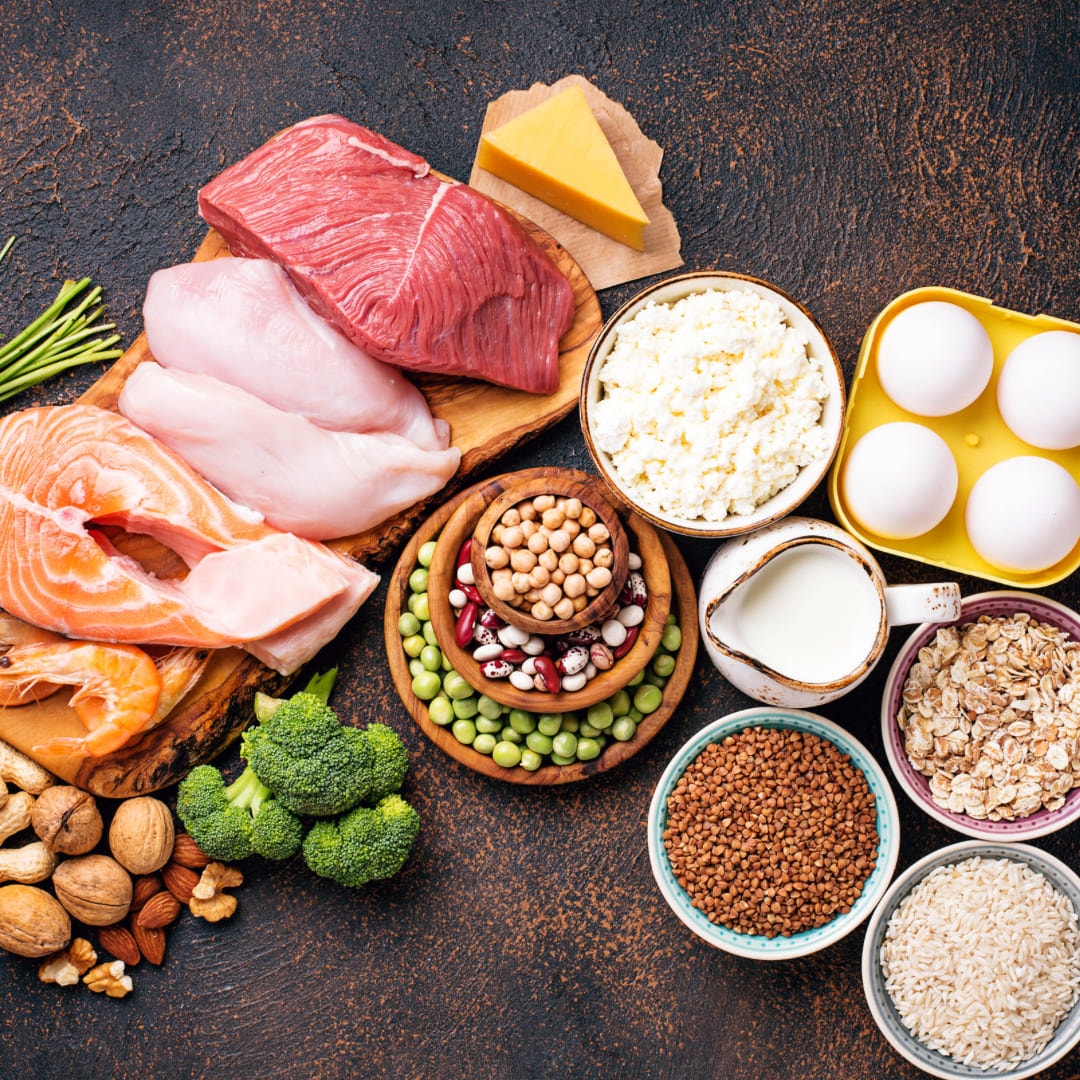
Photo by Karolina Kołodziejczak on Unsplash
3. This also means we have the potential to build more muscle because we have the energy to push a heavier weight or more reps. And the more muscle we have, the higher our BMR becomes, meaning are daily energy and calorie requirement is higher. The ability to push harder in sessions also means we burn more within that session and so if fat loss is the goal, both of these factors make creating a calorie deficit easier.
4. Carbohydrates in your evening meal can actually help improve sleep. Carbohydrates stimulate the release of serotonin which is a precursor to melatonin. Melatonin is the hormone that naturally increases in the evening to help induce sleep.
5. Carbohydrates support brain function with your brain constantly demanding glucose to fuel essential cognitive processes. Consuming carbs provides the glucose needed to sustain mental clarity, focus, and efficient decision-making.
6. Not enough carbohydrates can lead to both reduced cognitive performance and concentration.
7. A lack of carbohydrate can also lead to an increase in stress hormones, a decrease in thyroid and sex hormones, irratability, and poor recovery from exercise.
I hope that helps improve your understanding of carbohydrates and also encourages you to include more of them in your diet if you had previously been trying to reduce or remove them.
Any questions please email info@onepercentclub.info and I’ll be happy to discuss with you.
Have a great week,
Lizzie
The One Percent Club
Keep reading
One-to-one coaching at our private Marylebone studio. Tell us what has stopped working and we will give you an honest answer about whether we can help.
Monday to Friday, 6am–9pm
We would like to use Google Analytics cookies to see how people use this site. None are set unless you accept. Privacy policy