Health5 min read
5 Benefits Of Cardio Exercise That Aren't Fatloss!
Cardio is usually sold as a way to burn calories. Five other reasons to do it, from heart health to recovery, and how much you actually need each week.
Lizzie Bell
Stress is normal, but too much for too long works against weight loss. How stress eating takes hold and the steps that break the pattern.
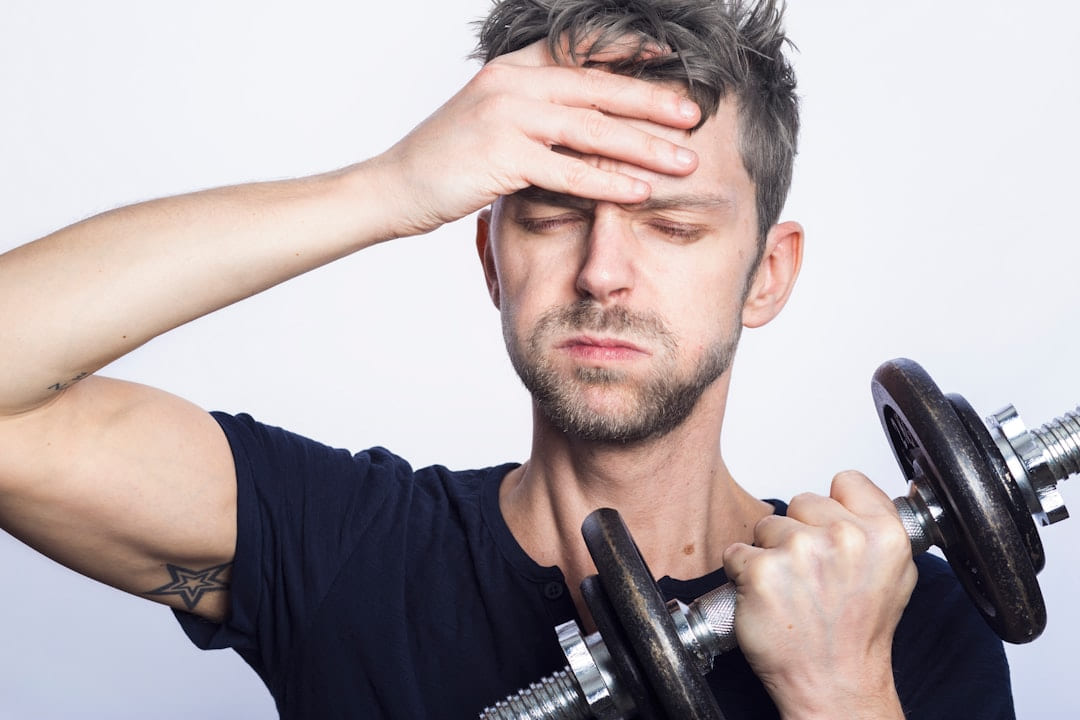
Stress effects us all and is a natural part of life. However when our levels are too high for too long, it can start to have a negative impact, particularly if we are trying to lose weight.
When our bodies encounter a stressful event it releases adrenaline as a response to help us deal with said threat, which is a great survival response to get the body fired up to deal with it.
However if the stressor continues, then we also release cortisol to continue to help us deal with this threat, and over time we can get stuck there. The physiological effect of this chronic stress can be very damaging with negative health impacts including rising blood pressure, increased risk of heart attacks or strokes, reduced insulin sensitivity and increased storage of unused nutrients as body fat.
Today however I’m going to focus specifically about how it can effect your behaviour and work against weight loss and what we can do to help deal with it.

I hope that increased your understanding of how it might effect your behaviour and next I just want to show you how you can start to change these stress eating related behaviours if you think this might be you!
Step 1
Get good at identifying that you are actually stressed. Many clients struggle initially to realise that they are in-fact extremely stressed! But if we start to get to know our own signs, we will get better at knowing that our stress levels are rising so we can nip it in the bud ASAP! This means there will be less chance of us going off plan and eating our feelings. Remember you can use you HRV levels to check your current stress levels as discussed last week!
Write down 5 things you know are things you do, or feel when stress levels are high. For me this looks like wanting everything overly neat and tidy, getting snappy with friends and family, an inability to get to sleep, and poor energy in the gym.
Step 2
Next make another list of 3-5 alternative coping mechanisms you are happy to use. It’s important these are things YOU find relaxing and help bring you away from a fight or flight state. For me its walking, listening to an audio book or stretching. It might be yoga, a bath, journaling, calling a friend, breathing, meditation or sitting in a quiet dark room! The main thing is you have them ready to go to replace eating or drinking with you feel stressed.
Step 3
If and when you feel stress levels are high, set yourself up for success and to avoid eating as a response by physically removing yourself from environments where food is readily available. Don’t hang out in the kitchen or take yourself food shopping. It’s only going to end in one way!
Step 4
Put stress reducing behaviours in daily and not just when things are already out of hand! All too often I’ll see clients start to manage their stress because its got to the point where there is zero sleep and binging each weekend, but as soon as things start to improve, its all forgotten and so over time they work back up to the same highly stressed place.
Think of it like prehab. Prevent the stress levels getting so high in the first place so you aren’t pushed to the point where you turn to food to cope!
Hopefully this article has given you a better understanding about how stress could be hindering your attempts to lose weight and if you related to this, has given you a few ideas of how to start to turn things around.
And of course, myself and the team hope it helps you head towards feeling, moving and looking your best.
Have a great week,
Lizzie and The One Percent Team
Keep reading
One-to-one coaching at our private Marylebone studio. Tell us what has stopped working and we will give you an honest answer about whether we can help.
Monday to Friday, 6am–9pm
We would like to use Google Analytics cookies to see how people use this site. None are set unless you accept. Privacy policy