
Health5 min read
Could STRESS Be Stopping Your Weight Loss?
Stress is normal, but too much for too long works against weight loss. How stress eating takes hold and the steps that break the pattern.
Lizzie Bell
What cholesterol is, what HDL and LDL do, and how to read a lipid panel. A plain-English guide to the numbers most people have seen but never had explained.
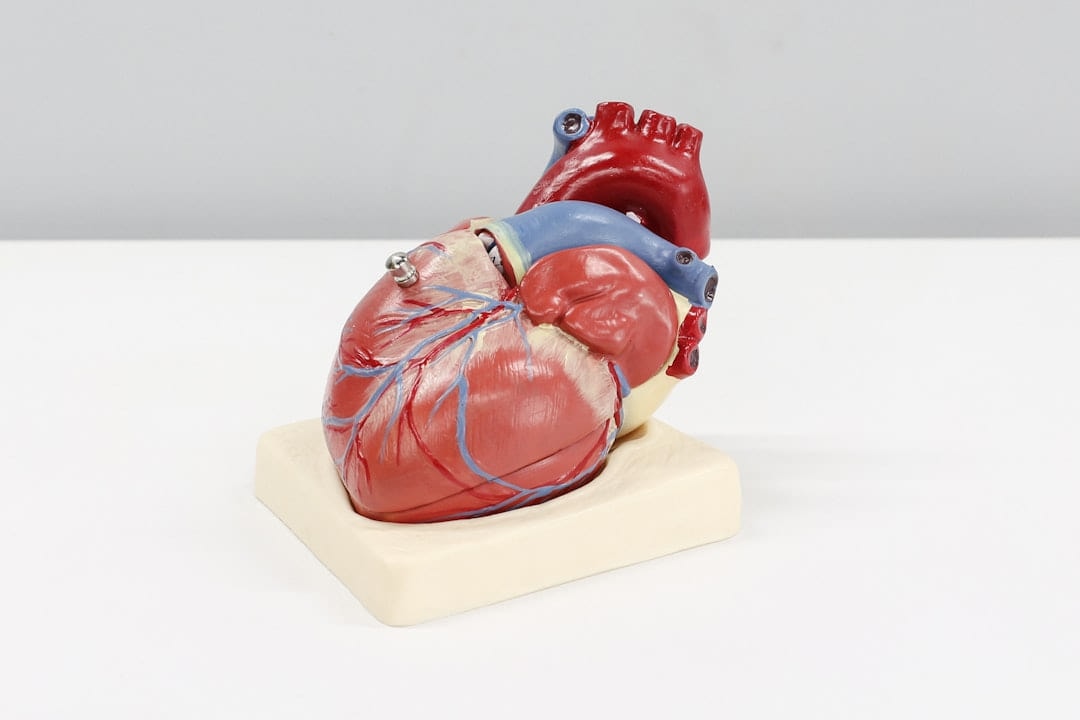
Cholesterol! This is something that we’ve all heard of and probably know is linked to our current health status, but beyond that, things can get a little blurry for most people.
I often get asked,
“What is cholesterol”
“What’s the difference between good and bad cholesterol?”
and
“Will my cholesterol really impact my health?”
So today I want to give you a greater understanding if you’re unsure what it’s all about, get you thinking about it if it's something you haven’t considered, and most importantly, give you some actionable steps to control or lower your levels.
So lets get started!
Cholesterol is produced by the liver in amounts of 1-2 grams per day. Production can increase when we eat foods without cholesterol, and decrease when we eat eat foods which are high in cholesterol.
It is fatty in nature and often described as a ‘waxy’ substance. It can’t travel in our blood on it’s own so instead travels in our blood attached to proteins known as lipoproteins.
Although it is often demonised, it is not a bad substance but something we absolutely need. It is found in every cell in your body and is especially important in your brain, nerves and skin.
Most of the cholesterol found within us is produced by the liver however a small amount is also found within the food we eat such as dairy, meat and poultry.
You may have heard of cholesterol being split into two types, being referred to as either ‘good’ or ‘bad ‘. Theses are actually HDL and LDL cholesterol.
HDL is often referred to as ‘good’ and actually stands for high density lipoprotein. These contain lots of protein so can clear up excess cholesterol way from your cells and brings it back to the liver, which can help prevent disease.
LDL is often referred to as ‘bad’ cholesterol and stands for low density lipoproteins. These contain lots of cholesterol. LDL actually has an important role as it transports cholesterol and fat from the liver and delivers it to the rest of the body. So why the bad rep? It’s the main ingredient in vessel plaque and so when there is too much, it can clog up your arteries and therefore have a negative effect on heart and vessel health.
Cholesterol has three main jobs.
People for the most part seem to be aware that high cholesterol isn’t good but many aren’t sure why!
There is a correlation between elevated levels and risk of cardiovascular disease (CVD). So your level basically indicates your risk of cardiovascular disease. A higher total cholesterol, a higher risk of CVD.
In fact, a piece of ongoing research known as the Framingham study, it was found that no one had died of cardiovascular disease while having a total cholesterol level below 150mg/dl. This obviously suggests that lower levels means reduced risk.
Below is a table showing optimal levels of blood cholesterol.
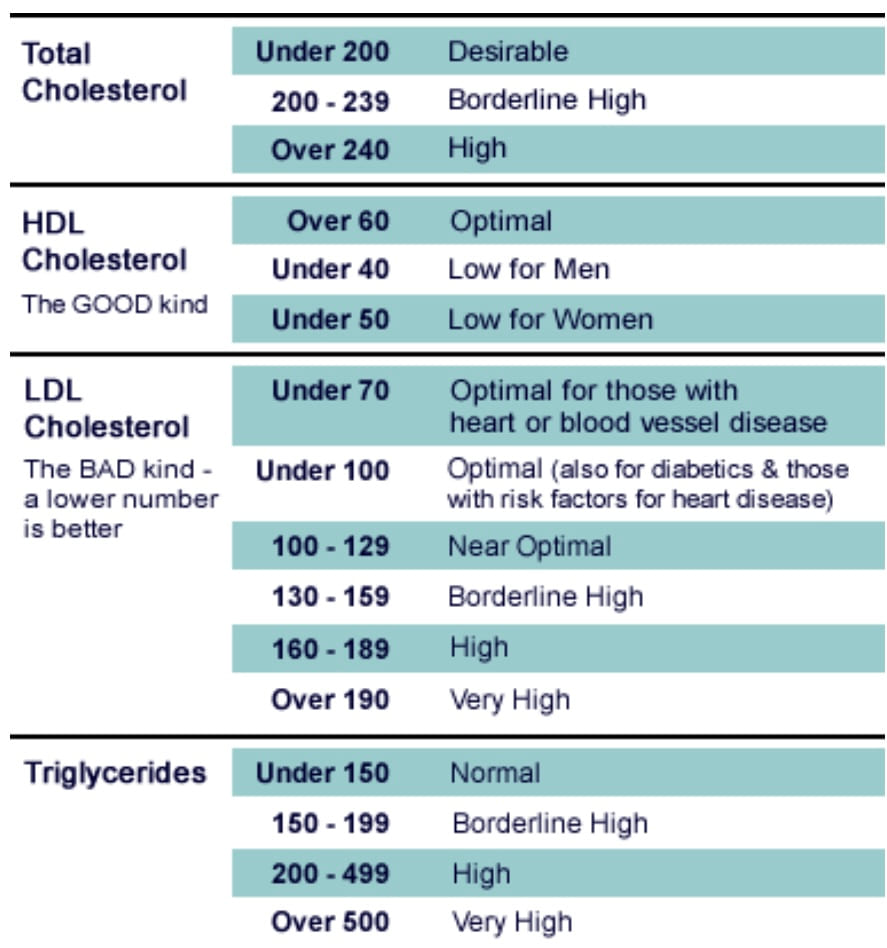
Your total cholesterol is calculated by adding levels of your HDL and LDL cholesterol, to 20% of your triglyceride levels (the most common type of fat in the body). The average levels are actually 210mg/dl in developed countries, which predicts a 50% chance of premature death due to atherosclerosis, which is a thickening and hardening of the arteries. As the table shows, we would ideally have a total below 200.
Now this isn’t to say that just having low cholesterol is enough to escape CVD, as studies have also found that this still occurs with individuals with normal levels. However it is still safe to say that we can reduce our risk and protect ourselves to at least some extent if we can hit optimal levels.
This is the part that many people get wrong. They have this idea that by eating more dietary cholesterol, then their levels will just keep going up and up and up!
In reality the body is great at adjusting to ever changing levels coming in and keeping internal balance in the body known as homeostasis. It adapts to times where we eat more or less.
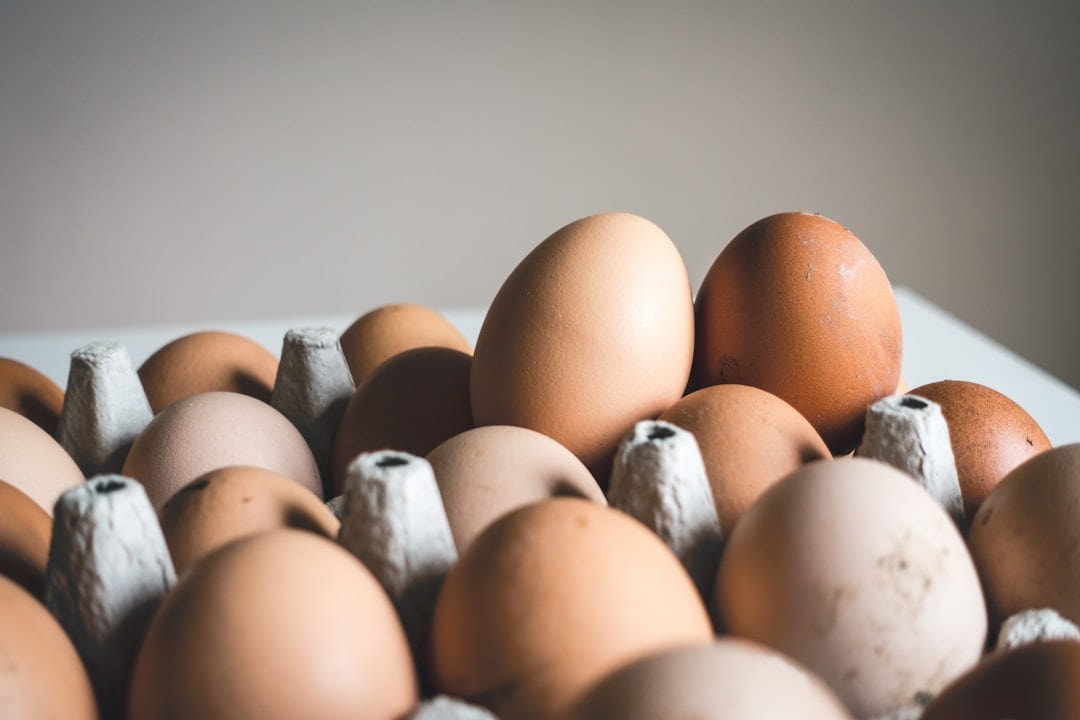
Infact, dietary cholesterol has a minimal impact on blood cholesterol for most people. So eating a load of eggs, a food high in cholesterol, won’t have a negative effect on blood cholesterol levels.
There are things we can do however to impact or lower our cholesterol, including things with our diet, which we will look at now.
I hope this has helped you understand cholesterol a little better and given you some actionable steps to take if needed!To finish I think this stat is particularly important to solidify why we should take note of our levels and aim to change them if necessary.
If you decrease your LDL cholesterol by 1%, you decrease your chance of cardiovascular death by 3%.
And if you increase your HDL by 1mg/dl, you decrease your chance of cardiovascular death by 3%.
Have a great week,
Lizzie and The One Percent Team
Keep reading
One-to-one coaching at our private Marylebone studio. Tell us what has stopped working and we will give you an honest answer about whether we can help.
Monday to Friday, 6am–9pm
We would like to use Google Analytics cookies to see how people use this site. None are set unless you accept. Privacy policy